
Telephonic/Zoom Call Appointments (24×7) info@mentalwellnesscentre.com +91 95883 92566, +91 92890 87771


Dealing with mental health issues is a challenging journey. But today you have experts with whom you can share your problems and take the first step toward healing. Sitting with a professional psychologist gives you access to various tools and strategies that are effective at reducing your mental health issues at your own pace.
Plenty of people search for the best psychologist in India, yet the honest answer is more personal than a name. The right expert depends on what you need, how you like to communicate, and what you want to change. Qualifications, clinical experience, and a warm, honest approach count for much more than a ranking. You will find out what to look for in 2026, how therapy works and which concerns a psychologist treats. A few small checks now can save months of frustration later.
Therapy is personal. A psychologist who helps one person through grief may not suit another person dealing with panic or family tension. Ratings and awards show reputation, but they say little about how a clinician listens, explains, and adapts to your pace.
Think of it like choosing a family doctor. You want sound training, yes, and someone you can speak to openly without feeling judged.
Chasing a name is not always the right step to take. You must focus on practical signs of a good fit-
A psychologist who ticks these boxes deserves your attention, whatever their social media following looks like.
In India, clinical psychologists should hold a recognised postgraduate qualification, a supervised practice record, and valid registration with the Rehabilitation Council of India. Ask to see these details. A genuine professional will share them without fuss.
Experience matters just as much. Someone who has spent years with clients is more likely to spot patterns early, adjust the approach, and know when to refer you to a psychiatrist for medication.
Cognitive behavioural therapy (CBT), mindfulness, and exposure-based techniques have solid research behind them. A good psychologist explains which method they plan to use and why. If you need structured support for OCD, Stress, anxiety, depression, ask about the plan. Find out how many sessions it usually takes and how the psychologist measures improvement.
Many people first seek help for anxiety, which can show up as constant worry, a racing heart, or trouble sleeping. Depression is different, often bringing a heavy low mood, loss of interest, and tiredness that rest does not fix. Both respond well to talking therapy, especially when you start early.
Everyday stress builds quietly until it spills into your mood and your health. Panic attacks feel sudden and frightening, but a psychologist can teach you breathing and grounding skills that bring them down. OCD may cause person to experience intrusive thoughts and repeat certain rituals unnecessarily. Seeking therapy can help to break that loop slowly.
Sometimes, even past events can leave behind marks. For instance, people who are living with PTSD / trauma may continue to relive memories or constantly feel on edge. A trained psychologist can help them to process the incident at a safe pace. Also, there are times when frequent outbursts of anger can affect an individual or those around them. They deserve professional attention before it escalates and leads to severe consequences.
Anger and relationship issues often travel together. A psychologist helps you spot triggers, practise calmer responses and speak to your partner or family with less tension.
Needs shift with age and circumstances. Men’s mental health often goes unspoken, since many men feel pressure to stay silent. Women’s mental health can link to caregiving, hormonal changes and career pressure.
Teen mental health deserves special attention, since exam pressure, social media and identity questions weigh heavily on young minds. Family issues, such as strained parent-teen communication, sit at the centre of many sessions. Family counselling gives everyone a calm space to talk.
Modern work life brings its own strain. Burnout shows up as exhaustion, cynicism and slipping performance. Work stress builds quietly through deadlines and long hours. Workplace mental health is extremely important to ensure a healthy balance between professional and personal life. Professional sessions let you deal with work stress seamlessly.
Also, they help with personal growth & wellbeing. Their strategies let you cover from addiction & recovery or phobias using the right tools. These experts allow you to build self-awareness along with confidence and healthier habits.
Signs It May Be Time to Seek Professional Help
Waiting often feels easier than booking, so spotting early signs helps you act sooner.
Speak to a psychologist if you notice any of these signs for several weeks:
Any one of these deserves attention, and several together call for support soon.
If you ever have thoughts of harming yourself, contact a local emergency service or a trusted person straight away.
Early sessions give you coping skills before unhelpful habits settle in. Recovery tends to feel steadier when you start early, and small changes can appear within weeks.
Once you know what a psychologist does, a few practical checks help you narrow your shortlist.
Treat the first call as a two-way interview. You are checking fit as much as the psychologist is.
Useful points to raise include:
Share your history honestly, including how anxiety shapes your week. Mention long-term depression or OCD patterns too, since they guide the treatment plan.
Even small details help your psychologist shape a plan that fits you.
Both formats work well, so choose the one you will actually attend. Online sessions suit busy professionals, students and families who live far from a clinic. Short sessions during a heavy week can stop stress from piling up.
In-person sessions suit anyone who prefers a quiet space away from home. No matter the format you choose, ensure you maintain a steady routine and complete all your sessions for the most positive outcome. Having an open mind matters more.
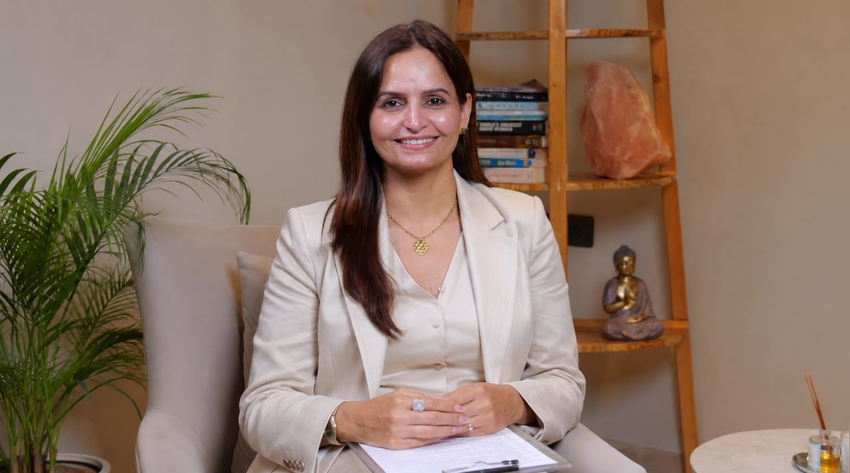
Dr. Pankaja is a certified professional at Mental Wellness Centre in Gurugram, with over 20 years of experience. She holds an MPhil and a PhD, and her work spans psychotherapy, relationship coaching, emotional intelligence coaching and life coaching. She holds certification in all four levels of hypnotherapy.
Her clients join sessions from the USA, Canada, the UAE, Australia, Europe and South Asia. She has supported clients through grief, personal loss and anger, and she offers marriage and career counselling. Sessions run by telephone or Zoom, so distance rarely blocks care.
The centre’s therapists use Dialectical Behaviour Therapy and mindfulness-based cognitive behavioural therapy. These methods help you notice unhelpful thought patterns and respond to them calmly. Couples, families and individuals can all join sessions.
One consultation testimonial on the centre’s website describes her as attentive and genuinely helpful.
People hunting for the best psychologist in India will find that no official number one exists. That is good news, since you can choose the professional who fits you. Verify credentials, ask about methods, pick a format you will stick with, and give the first session an honest chance.
Match your concern to a professional who treats it regularly. That might mean help for OCD, Stress, anxiety, depression or a hard life phase. We suggest booking a first session soon, since small steps today shape how you feel next year.
Mental Wellness Centre in Gurugram offers psychology, mindfulness therapy, marriage counselling and career counselling by telephone, Zoom or in person. Meet Dr. Pankaja and the wider team, then book your first session today. The team supports adults, teens, couples and families at your pace.
The author is a mental health professional who believes good therapy starts with trust, not titles. They have supported clients through anxiety, relationship strain, and workplace pressure. Their message is simple: asking for help is a sign of strength. Choose a psychologist for fit, credentials, and honesty, then give yourself permission to begin. Progress rarely moves in a straight line, but it does move when you keep showing up.