
Telephonic/Zoom Call Appointments (24×7) info@mentalwellnesscentre.com +91 95883 92566, +91 92890 87771

Couples counselling helps to fix a relationship by improving communication, emotional bonds, and resolving conflicts like infidelity or intimacy issues. It is effective for couples who committed to the process, with best noticing improvements within a few sessions. Common therapies include Emotionally Focused Therapy (EFT) and Cognitive-Behavioral Therapy (CBT).
When your relationship feels stuck, you wonder if talking to someone can actually help. The honest answer isn’t a simple yes or no. Couples counseling in India has transformed countless partnerships, but it works best when both people truly want change.
You can think of counselling like visiting a servicing centre for cars. A skilled mechanic can identify the problem and show you how to fix it. What they can’t do is drive the car for you. You have to get behind the wheel.
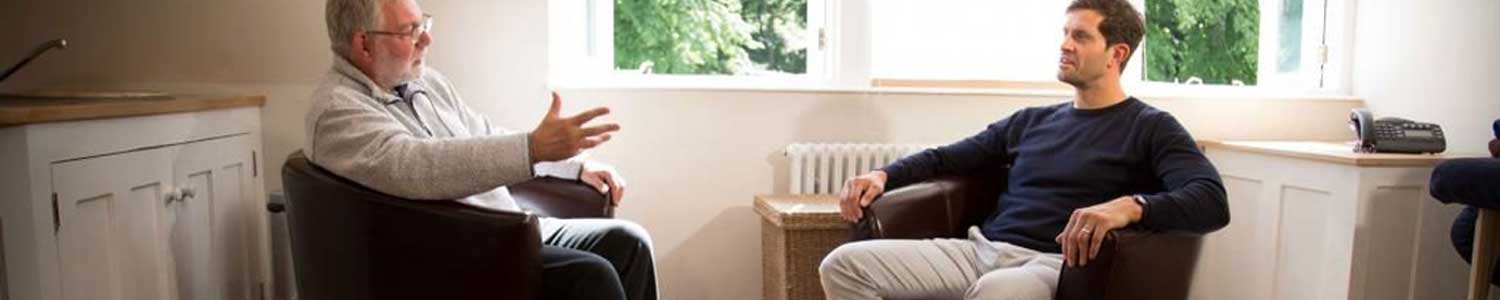
When you walk into a session with a therapist, several important things take place. Your partner sits across from you and a trained professional creates space for honest conversation. This person stays neutral and doesn’t pick sides, which feels refreshing when you’ve been stuck in arguments.
The therapist listens to you as well as your partner without judgment. They spot patterns you’ve missed, like how one person shuts down while the other pushes harder. These cycles repeat for months or years until someone points them out. Once you see it, it becomes quite difficult to ignore.
A good anxiety therapist understands how fear drives behaviour in relationships. One partner might criticise constantly because they fear abandonment. The other withdraws because criticism triggers shame. Neither person realises the other’s pain because that is how it works because we assume the worst about intentions.
Counselling gives you practical skills:
These aren’t fancy theories. They’re techniques you practise in sessions and use at home.
Your marriage improves when both partners show up positively and are willing to make a progress. Success looks different for different couples. Some rebuild intimacy. Others develop respect they’d lost. Many simply stop hurting each other so badly.
Real change happens because counselling creates accountability. You can’t ignore problems when you’ve scheduled time to discuss them. The therapist’s presence makes you both try harder to communicate. You can’t revert to old patterns quite as easily when someone’s watching.
Couples counseling in India works particularly well when the conflict has started recently. If you’ve been unhappy for fifteen years, healing takes longer. If resentment has calcified into indifference, you need more sessions. But the timeline depends entirely on how much work you’re willing to do together.
Partners succeed when they bring honesty. You can’t fix problems you won’t admit. One person minimising their partner’s hurt, or both people performing for the therapist, wastes everyone’s time. The couples who progress are those who risk vulnerability, even when it feels uncomfortable.
Some relationships shouldn’t be fixed. If there’s abuse in terms of physical, emotional or financial, counselling may not be the solution. An abuser can’t suddenly become safe just because someone taught them communication skills. If one partner is actively unfaithful and refuses to stop, counselling becomes damage control, not healing.
Relationship counselling also hits limits when someone’s already decided they’re leaving. If you’re sitting in that chair to appease your partner, knowing you want a divorce, honesty matters. That conversation should happen with the therapist’s support, not in secret.
Sometimes couples discover they’ve grown into different people. Years of mismatched values, incompatible life goals, or simple incompatibility can’t be counselled away. A skilled stress and anger therapy professional will help you end respectfully if that’s what needs to happen.
The other trap involves one person dragging the other to sessions. If your partner only attends because you demanded it, they’re not actually engaged. Both people must want to understand each other, even if they’re unsure about staying together.
Not all therapists suit every couple. You need someone who is trained in couples therapy and not just individual therapy. They should understand attachment theory, trauma responses, and communication patterns. Some therapists are experts in particular issues like infidelity recovery or may be family conflicts.
Dr. Pankaja and professionals like her bring years of training to these sessions. They’ve seen hundreds of couples through their worst moments. They know which patterns signal hope and which suggest the relationship has truly ended. Experience matters because they won’t miss crucial details you’re both overlooking.
The best professionals also know when to refer you elsewhere. If one partner struggles with severe depression or stress and anger therapy becomes the priority, individual sessions might come first. Some couples need financial counselling before relationship counselling makes sense. A good therapist sees the whole picture.
Trust your instinct about whether the therapist fits your needs. If you feel judged or misunderstood in sessions, try someone else. Chemistry between the therapist and the couple makes a significant difference in outcomes.
Real success doesn’t mean perfect harmony in couple. It means you and your partner can argue without contempt. You can disagree about money without questioning whether you love each other. You can bring up painful topics without both people shutting down.
Success means you choose each other again, even after seeing each other’s flaws. That’s different from staying out of habit or fear. Some couples realise they work better as co-parents than romantic partners, and counselling helps them navigate that shift with dignity.
Some couples rebuild a sexual connection. Others repair emotional intimacy they’d lost years ago. Many just stop feeling like enemies and start feeling like teammates again.
The couples who stay together longest aren’t those who never fight. They are the ones who fight well, listen, adjust and care enough to change problematic patterns. Counselling teaches you how to fight well.
Here’s the part nobody likes: relationship counselling requires effort outside the session room. You have to think about what triggered you. You have to apologise when you’re wrong. You have to try your partner’s perspective even when you disagree with it. You have to keep showing up when it gets hard.
Your therapist can’t make your partner change. They can’t make you forgive. They can’t guarantee your couple makes it together. What they do is create space where both of you can be honest and learn new ways of connecting.
Many people want counselling to be magic. They want the therapist to tell their partner they’re wrong and point out how right they are. That’s not how it works. It’s more like someone holding up a mirror so you both finally see what’s actually happening between you.
If your relationship feels broken, asking for help isn’t a weakness. It shows you value what you’ve built enough to fight for it. Some relationships deserve fighting for. Some don’t. That clarity often comes through the counselling process itself.
Book that first session. Go in willing to look at yourself, not just your partner’s failures. Listen to what they’re actually saying beneath their words. Stay open to the possibility that you’ve both been hurting without knowing how to stop.
Marriage counseling in India offers real hope for partnerships that feel fractured. Whether counselling fixes your relationship depends on what you bring to it. Are both partners willing to change? You’ve got something to work with. One person checked out? You’re starting from a harder place. Either way, a trained professional can help you figure out what comes next with clarity and compassion.
Her practice is rooted in genuine passion while helping individuals and couples step into worlds of emotional stability, healthier connections, and lasting confidence through evidence-based therapeutic approaches.
Dr. Pankaja is a highly respected clinical psychologist based in India, holding a Ph.D. in Psychology and a genuine passion for supporting her clients’ emotional wellbeing. As a specialised anxiety therapist with extensive expertise in stress and anger therapy, she brings compassionate, evidence-based care to every client. Dr. Pankaja has dedicated her career to helping individuals and couples navigate relationship challenges through relationship counselling and marriage counselling.