
Telephonic/Zoom Call Appointments (24×7) info@mentalwellnesscentre.com +91 95883 92566, +91 92890 87771
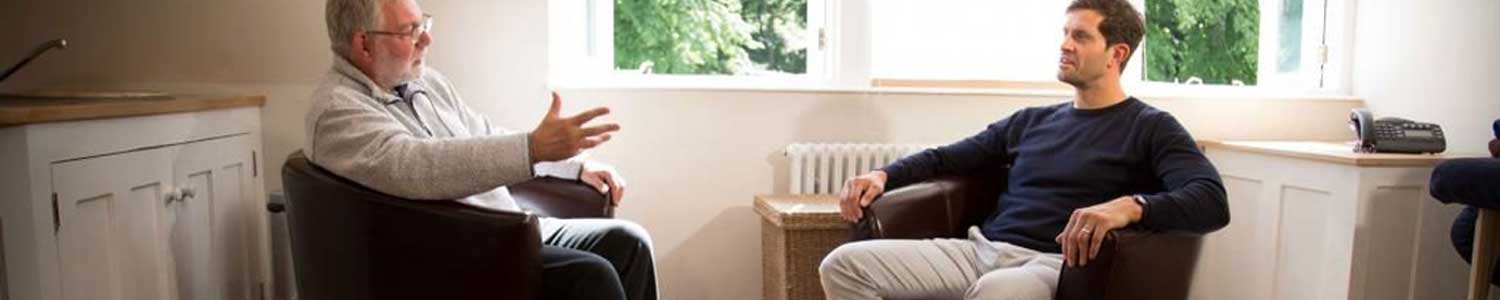

The “best” therapy for relationships depends on your needs, but top approaches include Emotionally Focused Therapy (EFT) for deeper bonds, the Gottman Method for conflict and friendship, and Cognitive Behavioral Therapy (CBT) for changing negative patterns, with Imago Therapy focusing on empathy and Behavioral Therapy (BCT) for positive actions. A good therapist helps you find the right therapy, focusing on communication, emotional connection, and resolving multiple issues.
Good relationships require hard work, time, and communication. Many couples seek guidance when conflicts increase. You might have a problem of trust, communication, or emotional distance and in today’s busy lifestyle, it is common to have so. Therapy provides a systematic way of healing.
Many people explore relationship counselling to build deeper bonds. Increasingly, couples in India are moving past therapy-related stigma and availing sessions for personalised support. Such options can be used to comprehend patterns and form related relationships.
Couples face unique emotional and practical challenges. Connection can be affected by:
Most couples lose focus when arguing. They desire peaceful talks but are overwhelmed.
Modern therapy allows couples to recognise triggers. It includes a range of different approached, starting from stress and anger therapy to more focused relationship issues.
It helps them rebuild trust. Partners also explore marriage support when they sense rising emotional distance. Formal assistance fosters commitment in the long run.
The issues of communication can begin small. Misunderstandings that occur daily get repeated. Guided conversations are employed by therapists as a way of generating clarity. Such methods promote active listening.
Couples can share emotions without feeling judged. Guided sessions give a lot of comfort to many partners. Creating safe conversations supports stronger couple bonding. It aids in the communication of needs among partners.
Emotionally Focused Therapy is considered one of the best therapy approaches when dealing with couples. It assists individuals in determining emotional patterns. Many couples react based on fear or past pain. This is an emotion safety teaching approach.
Couples become empathetic toward one another. They learn of deeper needs. Vulnerability is also promoted in EFT. Many couples prefer this approach because it offers lasting emotional shifts. It promotes safe attachment between serious couples.
CBT makes individuals realise their negative behavioural cycles. Partners are taught to substitute reactions with the responses of balance. They know the influence of thoughts on emotions. It is a common approach used during relationship counseling in India, where refraining tools are provided by therapists.
CBT develops effective long-term peace strategies. It assists the two partners in managing conflict amicably. These methods can be used in stressful situations. Couples often see quick improvements.
Solution-focused therapy emphasises strengths.
The technique is useful in cases where you desire quick improvement. It allows you to develop realistic steps to more relaxed communication.
Mindfulness decreases emotional responsiveness. A couple learns to stop and think. They observe without evaluation. This quiet environment facilitates healthier discussions. Stress is also minimised with the help of mindfulness.
It helps couples reconnect with compassion. A lot of couples apply such skills in heated moments. Breathing and grounding are effective in enhancing communication.
Emotions that are not controlled tend to put a strain on partnerships. Many couples explore stress and anger therapy to restore balance. These strategies assist couples in realising triggering factors. You get to know about the impact of stress on reaction.
The emotional stability is produced through anger management tools. Due to a decline in anger, conversation becomes less difficult. Couples do not feel insulted. Therapy helps couples replace reactive patterns with calm, thoughtful actions.
Mostly, overthinking occurs when anxious. It causes withdrawal or a strong reaction in people. Many people seek guidance from an anxiety therapist to manage emotional intensity. Relationships are peaceful when the level of anxiety is low.
Couples are more bonded. Grounding is taught during therapy. These techniques facilitate a stable emotional state. It establishes a space of good communication and trust.
The best therapy depends on your relationship needs. Some couples prefer emotional methods. There are those who desire formal communication devices. With the help of a trained therapist, these options are discussed with you.
Healing creates meaning and eliminates struggle. Couples are taught healthier responses. Marriage-related challenges need customised support. Effective interventions help couples grow emotionally stronger. Whether you need to consult an anxiety therapist or need stress management, the right treatment makes all the difference.
The enhancement of relationships requires experience. An experienced individual is aware of emotional patterns. Many couples trust Dr. Pankaja for structured guidance. Therapeutics assist in the determination of underlying causes.
It assists allies through action plan measures. Inspired professional help stimulates wisdom. Couples find clarity through consistent sessions. Special mentorship establishes the gradual improvement in restoring trust.
Therapeutic guidance helps couples understand these patterns. Many partners explore relationship counselling for long-term harmony.
Such capabilities contribute to long-term cohesiveness. The assistance of the professional assists partners in the development of common goals. Emotional strength is also established through counselling.
Men and women usually need support when they are in hard stages. Many people explore marriage therapy to strengthen commitment. This will deal with gaps in communication. It aids couples in understanding expectations.
Marriage-focused therapy builds emotional trust. It helps couples recognise shared values. Partners become more comfortable when raising issues. This transparency builds long-term relationships.
Most partners desire more intimacy. They explore guidance focused on the couple as a unit. This is a way of making partners know about emotional needs. Therapists guide couples toward shared solutions.
The procedure enhances connection. It promotes supportive behaviours. Couples create balanced expectations. Emotional proximity is constructed on this basis.
Therapy involves the application of structured programs. Exercises help couples rebuild trust. You get to learn conflict resolution. These programs consist of communication tools. Therapists teach the ability to take a perspective.
Formalised processes bring about uniform improvement. Numerous partners experience emotional change quickly. This transparency enhances the satisfaction of relationships. There is also the development of positive lasting habits as part of therapy.
Enhancement is manifested slowly.
Therapy promotes such favourable changes. These changes show progress. Regular sessions foster long-term relationships. There is steady growth with time.
The correct therapist realises your ambitions. They offer a secure environment. They lead discussions on a professional level. Couples feel comfortable during sessions. Expertise shapes progress.
Therapists tailor the strategies. They are aware of emotional trends. They help couples create long-term goals. Your business relations develop over time. A competent therapist improves the strength of relationships.
No one-size-fits-all relationship therapy exists. The optimal course of action is determined by your needs. Venture into emotional, behavioural or solution-based relationship counseling in India. Trust is enhanced with good leadership. You become clear and communicative. Counseling is the basis of greater intimacy. Couples achieve greater emotional balance with consistent support.
For individualised advice, rely on the professionals in the Mental Wellness Centre. You can explore specialised couple support, anxiety care, and emotional wellbeing programs. Go to their site and begin a peaceful, well-empowered and connected relationship process. Professional counseling will make you stronger in your relationships with others.
About Author
Dr. Pankaja is a best therapist, a psychologist and a well-regarded relationship coach at the Mental Wellness Centre (Gurugram, Haryana, India). She has been a professional in the mental health field for more than 15 years. She has worked with people and families who experienced trauma, relationship issues and different types of mental health disorders, and associated problems.