
Telephonic/Zoom Call Appointments (24×7) info@mentalwellnesscentre.com +91 95883 92566, +91 92890 87771
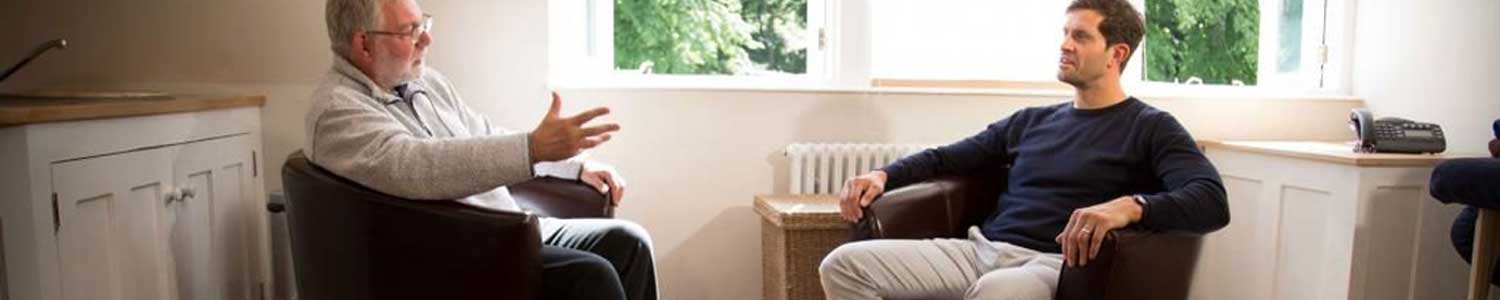

Relationship counselling is effective, boasting a success rate of approximately 70% to 75% for improving relationships enhancing communication, and solving conflicts. It works really good when both partners are committed, open to change themselves, and address issues early.
Can Couples Counselling Fix a Relationship?You’re sitting across from your partner, and the silence feels heavier than it ever has. The things you used to laugh about now spark arguments. You’ve wondered whether talking to a professional could actually help or if it’s just an expensive way to avoid dealing with reality. The short answer? Yes, relationship counselling in India works. But it’s not magic, and it’s not simple either.
Most couples don’t seek help until they’ve already tried everything else. By the time they arrive at a counsellor’s office, years of hurt have piled up. What many people don’t realise is that waiting this long makes the work harder. When you’re exhausted from fighting, it takes more energy to rebuild. That said, even in these situations, proper support changes things.
Think of a counsellor as someone who speaks both your languages. You each have your own way of seeing the conflict, and usually, both perspectives hold truth even if it doesn’t feel that way. A trained counsellor helps you both step back and see the patterns you’ve been caught in.
In a typical session, you’ll talk about what brought you to that office. The counsellor listens without taking sides. They notice things you might have missed. Perhaps your partner shuts down when you raise your voice. Maybe you withdraw before they can hurt you. These aren’t character flaws; they’re protective patterns that made sense at some point but now keep you stuck.
Key things that happen during marriage counselling:
One of the biggest reasons couples struggle is poor emotional regulation. When your nervous system is flooded with stress, your brain can’t access the parts that think rationally. You say things you regret. Your partner feels attacked and withdraws or fires back. Round and round you go.
Stress and anger therapy helps both of you understand what triggers these reactions. It’s not about never feeling angry and that’s not realistic. It’s about learning what anger is telling you and expressing it in ways that your partner can actually hear rather than defend against.
When one partner has high anxiety or tends toward stress and anger therapy issues, individual counselling alongside couple work speeds up progress. You might attend anxiety therapist sessions separately to work on your own stuff, then come together as a couple for joint sessions. This combination approach is remarkably effective because each person gets support for their individual struggles while also learning to show up differently in the relationship.
The terms marriage counselling and relationship counselling in India are often used interchangeably, but there’s a subtle difference in how counsellors approach them. Marriage counselling traditionally focuses on couples who are married or contemplating it, while relationship counselling applies to any intimate partnership.
The work is fundamentally the same, though. Whether you’ve been together two years or twenty, the core issues remain: feeling heard, managing conflict, maintaining intimacy, and deciding whether you want the same future.
Many couples find that marriage counselling at different life stages serves different purposes. Some couples attend before getting married which acts as a brilliant prevention work. Others come during difficult transitions like new parenthood, career changes or grief. Some arrive in crisis mode. Each situation calls for slightly different approaches, but the foundation is the same: creating safety so you can both be honest.
Here’s what determines whether relationship counselling actually works for you: your willingness to be real. If you spend sessions saying what you think sounds good rather than what you actually feel, the counsellor can’t help you. If you hold back the deepest hurts because you’re afraid of looking weak, healing can’t begin.
This is the hardest part, honestly. Vulnerability in front of your partner and a stranger feels terrifying. But that vulnerability is exactly what allows change. Your partner gets to see you’re not trying to win an argument, you’re trying to be understood. That shifts everything.
Relationship or couple counselling in India and worldwide shows similar patterns: couples who benefit most are those willing to question their own assumptions. They’re willing to admit “I might be wrong about this” or “I haven’t considered how my behaviour affects you” or even “I am scared.”
Not everyone benefits equally, and it’s worth being honest about when counselling might not be the answer. If there’s active abuse such as physical, emotional, or financial, safety becomes the priority before relationship repair. A skilled couple counsellor recognises this and redirects accordingly.
Some couples come hoping the counsellor will confirm they were right all along. That’s not counselling; that’s finding a referee for your argument. Counselling requires both people accepting that the relationship itself is the patient, not each other’s behaviour alone.
If someone is unwilling to attend or sees no point in being there, progress becomes nearly impossible. A counsellor can’t do the work for you. They can only create conditions where you might do it together.
After counselling, couples don’t fight less necessarily. What changes is how you fight and what happens after. You might still disagree strongly, but you stay connected during the disagreement. You’re curious about why your partner sees things differently instead of being convinced they’re being deliberately difficult.
You remember you’re on the same team. That’s massive.
Couples who’ve gone through successful counselling often report that they reconnect physically and emotionally. They laugh together again. They make plans together. They feel like partners rather than opponents. Some relationships don’t survive the process and that’s okay. Sometimes counselling helps you realise this partnership isn’t right for you. But when it does work, it works deeply.
The other win is that you become better at navigating future conflicts. You’ve learned skills and patterns you can apply beyond this one couple or marriage. You understand yourself better. You’re less reactive and more responsive.
You don’t need to reach crisis point. Early intervention is always easier. If you’re noticing that communication has become defensive, if you’re spending more time frustrated than connected, if you’re considering leaving but haven’t had an honest conversation about it, those are all signs that relationship counselling along with stress and anger therapy could genuinely help.
Think of it like visiting a physio for a minor injury in your shoulder versus waiting until you’ve done serious damage. The earlier you go, the faster recovery tends to be.
Relationship counselling works because it addresses the actual problem, not just the symptoms. Couples fighting over dishes or money are usually fighting about feeling unheard, unseen, or unsafe. Surface solutions don’t stick. But when you understand what’s really going on and learn to communicate about it, things genuinely shift.
It requires investment of time, money, and emotional energy. It asks you to be honest when it’s easier to defend. It challenges you to see your partner differently. For couples willing to do that work, relationship counselling isn’t just helpful; it’s transformative.
Your relationship doesn’t have to be in crisis to get professional support. Taking that step early shows wisdom, not weakness. Reach out to qualified professionals in your area today and invest in your partnership’s future.
About Author
Dr. Pankaja is a highly respected clinical psychologist based in India, holding a Ph.D. in Psychology and a genuine passion for supporting her clients’ emotional wellbeing. As a specialised anxiety therapist with extensive expertise in stress and anger therapy, she brings compassionate, evidence-based care to every client. She has dedicated her career to helping individuals and couples navigate relationship challenges through relationship counselling. Contact Now.