
Telephonic/Zoom Call Appointments (24×7) info@mentalwellnesscentre.com +91 95883 92566, +91 92890 87771
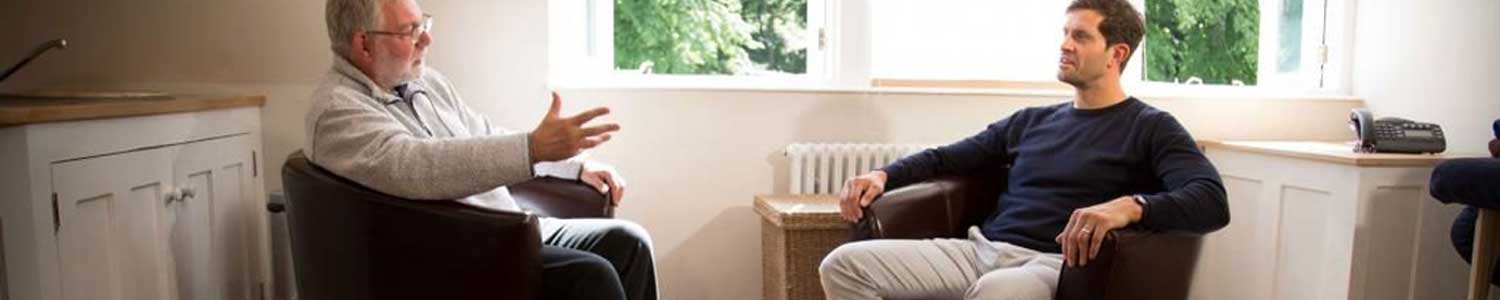
A relationship counsellor works with couples and individuals to understand recurring conflicts, improve day-to-day communication, and rebuild emotional safety after hurt or distance. The role goes beyond listening, because sessions are guided so both voices are heard, patterns are named clearly, and practical changes are agreed for life outside the session.
Progress usually looks like calmer conversations, clearer boundaries, and a better ability to repair after disagreements, even when the relationship still feels strained.
Relationship work can feel like ordinary conversation, yet the counsellor actively shapes the discussion so it stays respectful, specific, and useful.
Spots the Cycle Behind Recurring Arguments
Many couples argue about different topics, but the emotional sequence stays the same, so a counsellor helps make that sequence visible and predictable.
Guides Communication So Both People Feel Heard
A relationship counsellor supports communication that is concerned with real events as well as feelings. There are no instances that lead to character attacks.
Turns Frustration into Goals That Can be Practised
Many sessions start with complaints, and the counsellor’s job is to shape them into goals that can be practised between appointments.
The exact structure varies, yet most relationship work follows a recognisable flow from assessment, to practice, to planning for future stress.
Early Phase: Understanding the Relationship Context
Early sessions usually gather background, recent conflict themes, and the strengths that still exist, because strengths often become the route back.
A counsellor may ask about communication habits, major life stressors, emotional closeness, and past relationship experiences, because context shapes conflict. Separate meetings may be used at times to understand each viewpoint clearly, while keeping the work focused on the shared relationship goals.
Middle Phase: Skill-Building and Repair
This phase is where change becomes more visible, because practice replaces guesswork and hard conversations become less chaotic.
The structured sessions that include couples counselling, include several exercises for listening, speaking, resolving conflicts as well as rebuilding trust through repeated actions. At first, the progress may be negligible. However, couples begin to notice changes after a few session in the form of fewer explosive arguments or quicker recovery after disagreements. They can experience clearer agreements about what is acceptable during conflicts.
Later Phase: Preparing for Predictable Pressure Points
Couples often improve and then feel caught off guard when stress returns, so the counsellor helps plan for common triggers that are likely to show up.
This phase often includes boundaries for extended family involvement, agreements for handling money decisions, and a plan for what to do when escalation begins. The aim is not a relationship without conflict, because disagreements still happen, but a relationship where conflict does not feel unsafe.
Methods and Tools Used in Relationship Counselling
Different counsellors use different frameworks, but the goal is usually the same: change how conversations happen, not just what is being argued about.
Communication and Conflict-Management Tools
These tools can sound simple, but they require repetition and accountability to work during real arguments.
Structured methods like Imago Relationship Therapy are also incorporated that helps to learn how to receive and show love toward your partner. This is a result-oriented treatment procedure that helps to keep conflicts at bay.
These approaches focus on speaking clearly, listening without interruption, validating what was heard, and reducing negative language that escalates conflict. This style can be helpful when the same argument returns repeatedly, because the conversation process changes even if the topic stays familiar.
The internet mixes terms freely, and search phrases like best relationship coach in India often appear even when the real need is clarity about support type.
Couples counselling emphasises on maintaining emotional safety, identifying conflict patterns, resolving trust issues and communication habits. This is important when the relationship begins to feel stuck in recurring cycles.
Coaching is typically more goal-led and action-focused, often centred on habits, decisions, and practical communication routines. Coaching can work well when both partners are ready to practise skills steadily, while severe distress may require a more therapeutic approach.
People often search for the best relationship counsellor, yet a better goal is finding a professional approach that fits the relationship’s needs and feels safe for both partners. A relationship counsellor should be able to explain process, boundaries, and goals in plain language from the first contact.
A strong first step is choosing support that explains how sessions work, and that keeps both partners involved without blame.
Some relationship difficulties are tightly linked with anxiety, stress, anger, low confidence, grief, or burnout, so individual sessions can be useful alongside couples work.
Online searches often include phrases like best psychologist in India, yet the more helpful filter is fit: training, experience with the issue, a clear method, and a sense of emotional safety. This keeps the decision grounded in what the relationship actually needs, rather than what a search phrase implies.
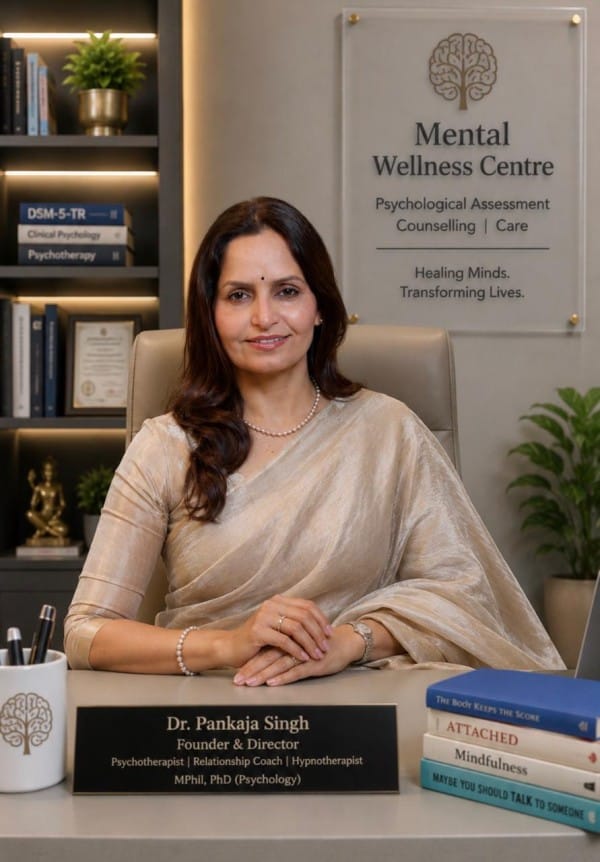
Dr Pankaja is among the most reputed and qualified psychologists whose expertise has helped several couples get rid of their issues early. She believes in identifying the root cause of the conflicts and implementing techniques to make both partners feel supported without judgement. Her treatment method keeps the process focused, respectful as well as result-oriented.
A relationship can feel exhausting when the same conflict keeps repeating, because the argument starts to feel bigger than the topic. Relationship counselling helps slow the pace, name the pattern, and build practical repair skills, so difficult conversations feel less threatening and more honest. Over time, the relationship can move from reacting to problems toward handling them with steadier communication and clearer agreements.
For a practical next step, write down the main conflict pattern, the most common trigger, and a single change to practise during the next conversation at home this week.
Mental Wellness Centre offers marriage counselling, couples therapy, and relationship coaching, with structured sessions that strengthen communication, trust, and emotional connection.
Dr Pankaja is a psychotherapist, relationship coach, and certified Emotional Intelligence Coach with 20+ years of experience supporting couples and individuals. Her work focuses on communication habits, conflict repair, and emotional wellbeing, using structured dialogue practice and practical planning. She is also trained in hypnotherapy and brings a goal-led approach.