
Telephonic/Zoom Call Appointments (24×7) info@mentalwellnesscentre.com +91 95883 92566, +91 92890 87771

When you’re living thousands of miles away from home, your mental health matters just as much as it did before you left. The difference is that everything feels harder now. You have to stay away from your family, cope with the unfamiliar cultures and juggle work stress. But still, you want the familiarity of your home.
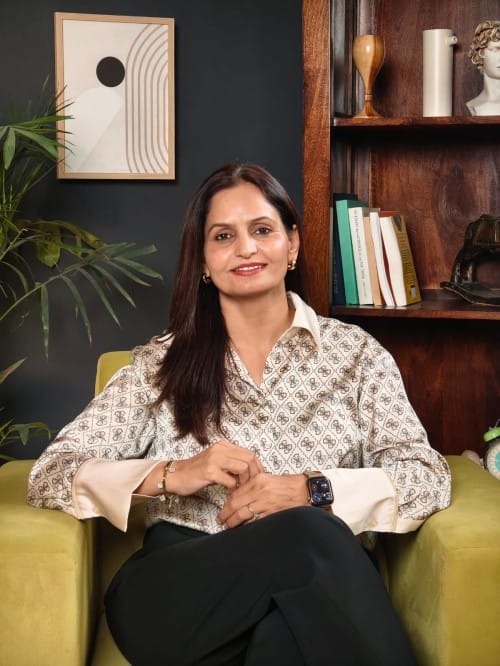
That is why Indian psychologists like Dr. Pankaja are extending their services abroad to reach out to the NRIs. They understand both worlds, speak your language and gets your family dynamics. These specialists know what it means to be caught between two different cultures.
This isn’t a new trend, but it’s becoming impossible to ignore. People from London to Los Angeles, from Singapore to Sydney, are logging in for sessions with the best psychologist in India. They’re not doing this because local therapists are not good enough. They’re doing this because online counseling for Indians abroad provides cultural familiarity wrapped in professional expertise.
The reasons run deeper than convenience. When moving abroad, you tell yourself you’ll adapt quickly. But adaptation has layers. By month six, or year two, you might find yourself dealing with loneliness that your colleagues don’t understand.
Your family back home worries constantly, and you’re stuck reassuring them while managing your own anxiety. This specific kind of stress isn’t something every therapist has been trained to recognise.
Indian psychologists working with NRIs have lived through similar transitions themselves. They know what it feels like when your parents expect you to visit every other month but you’ve already spent your annual leave.
They understand the guilt that comes with choosing career growth over family time. They get why you call home more when something goes wrong, but then feel suffocated by the questions. This shared cultural foundation changes everything about how therapy works.
Language is more than just a tool for basic communication. It carries our emotions and our childhood memories. Sometimes, English lacks the exact word for a specific type of Indian grief. You might want to use a phrase from your mother tongue. An online counselling for Indians abroad service allows for this beautiful linguistic flexibility.
Hearing a familiar accent can lower your anxiety instantly. These experts can create a safe space for you to express your feelings. They understand the subtle hints of stress or anxiety in your tone to offer assistance accordingly.
NRI families operate differently. Your parents might call three times a week. Your aunts ask about your marriage prospects through WhatsApp. Your siblings expect you to remember which cousin got married this year.
Meanwhile, you’re trying to build a life in a place where nobody cares about any of this. It’s not that your family is intrusive. They’re doing what Indian families do. Relationships are collective. But when you’re abroad, this collective pressure becomes isolating.
NRI counselling becomes easier and more effective when it is conducted with someone who understands Indian family structures. That is how they help you navigate the issues easily. A therapist from your cultural background recognises that family responsibilities are not just a concept. It is woven into everything you do.
They help you set boundaries without making you feel guilty. They validate that you love your family and that you need space. They know that you can’t just “move on” from family issues like some Western therapy models suggest- you have to find ways to coexist with them.
In India, discussing mental health with a stranger is still taboo for many families. People whisper about therapy. They suggest it’s only for people who are “broken” or “mad.” But when you’re abroad and safe from family judgement? Many NRIs feel more comfortable finally addressing issues they’ve carried for years.
Working with an Indian psychologist for NRIs creates a middle ground. You’re seeing someone who understands why your parents would be horrified to know you’re in therapy, but who also absolutely supports your decision to get help.
This matters. Shame is real, and it keeps people stuck. When your therapist comes from a background where mental health stigma exists, they don’t just understand intellectually and they actually get it. They know the specific stress that comes from being in a mental health crisis and worrying about what it would mean if your extended family found out.
Let’s be honest: finding an Indian psychologist for NRIs can feel like dating. You might see three people before finding someone who clicks. Cost is another factor. In many Western countries, therapy without insurance is expensive.
Indian psychologists offer affordable services and do not degrade the quality of treatment. It is about removing financial barriers so that money doesn’t become another reason to avoid getting help.
Additionally, you can access specialists. Maybe you need someone trained in anxiety disorders, or trauma, or relationship counselling. The pool of therapists is larger in India than in smaller cities abroad. You’re not forced to work with the only therapist available; you can actually choose based on their specific training and experience.
You might be wondering: am I compromising on quality by choosing an Indian therapist instead of someone local? The answer is a simple no. The best psychologist in India have –
These specialists are choosing to serve in the country because they are genuinely invested in helping people navigate the specific challenges of the NRI experience.
Some therapists specialise in working with expats and immigrants precisely because they’ve seen the real impact of cultural dislocation on mental health. They keep themselves updated with the international best practices to bring wisdom to their work.
The timing matters. Technology has made online counselling for Indians abroad genuinely accessible. Ten years ago, video calls weren’t reliable. Now, they’re seamless. The stigma around therapy is slowly shifting, especially among younger professionals abroad. And there’s been a noticeable uptick in people realising that “pushing through” doesn’t actually work long-term.
The pandemic changed perspectives too. People are realising the importance of seeking help for mental health crises. These issues do not even stop just because you are far from home. If anything, isolation amplifies existing struggles. When lockdowns happened, many NRIs finally sought support because their coping mechanisms weren’t working anymore. Some of them stayed with Indian therapists because they found what they were looking for.
Choosing online counselling for Indians abroad is still personal. You need to find a therapist whose approach resonates with you. Some people want someone who directly addresses cultural issues. Others want someone who understands culture but focuses on clinical work. Some prefer someone from their specific region or state. The good news is that you have options now. You’re not limited by geography or local availability.
When you’re looking for NRI counselling, ask about their experience. Have they worked with people in similar situations? Do they understand the visa stress, the career pressure, the family expectations? Are they trained in your preferred therapeutic approach? Can they work in your preferred language? These questions matter because therapy only works when there’s genuine connection and understanding.
At Mental Wellness Centre, we believe that mental health support should be accessible, culturally sensitive, and effective. The best psychologist in India connects NRIs and Indians abroad with experienced psychologists who understand both the challenges of cross-cultural living and the clinical expertise needed to address them.
Dr. Pankaja is a clinical psychologist with 12 years of experience specialising in cross-cultural psychology and NRI mental health. She has worked with expatriate communities across four continents, helping individuals navigate identity, family, and cultural adaptation issues. Her evidence-based approach combines Western psychological frameworks with cultural wisdom, recognising that healing often requires understanding both.